
How It Works

Georgia’s three-tier system is carefully balanced to benefit all industry stakeholders.

What Is the Three-Tier System?

The three-tier system separates Georgia's alcohol industry into three independently licensed levels: producers, distributors, and retailers.

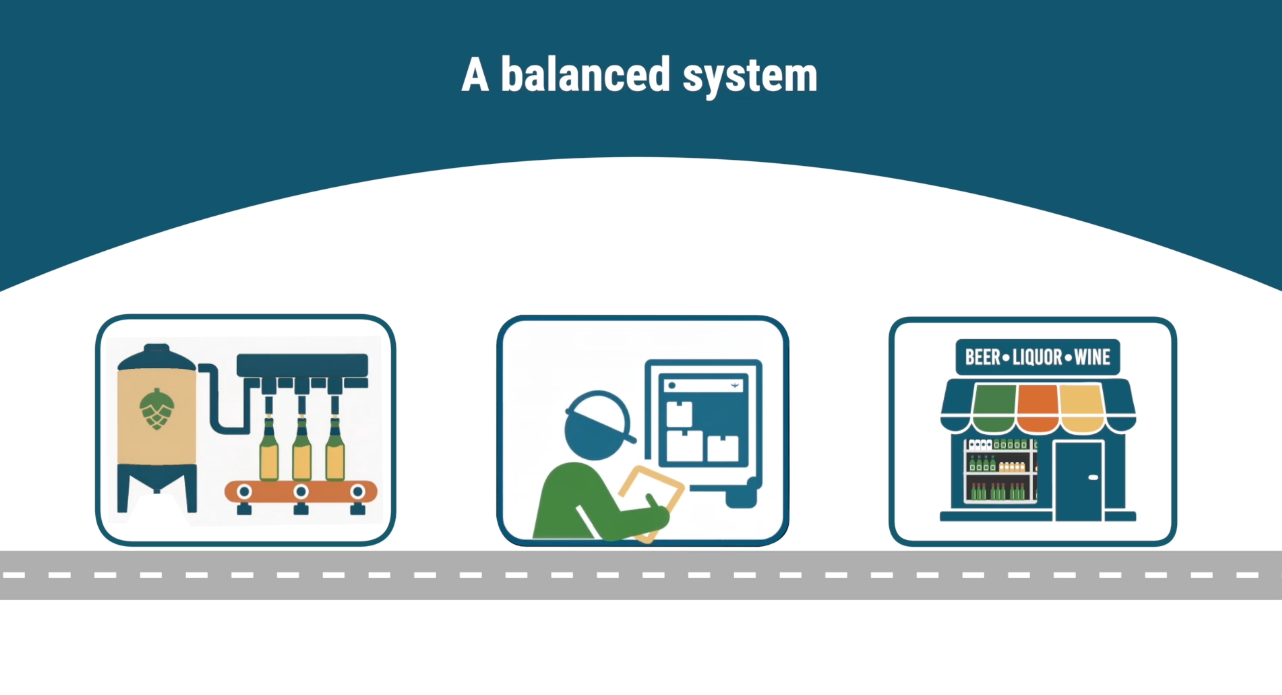
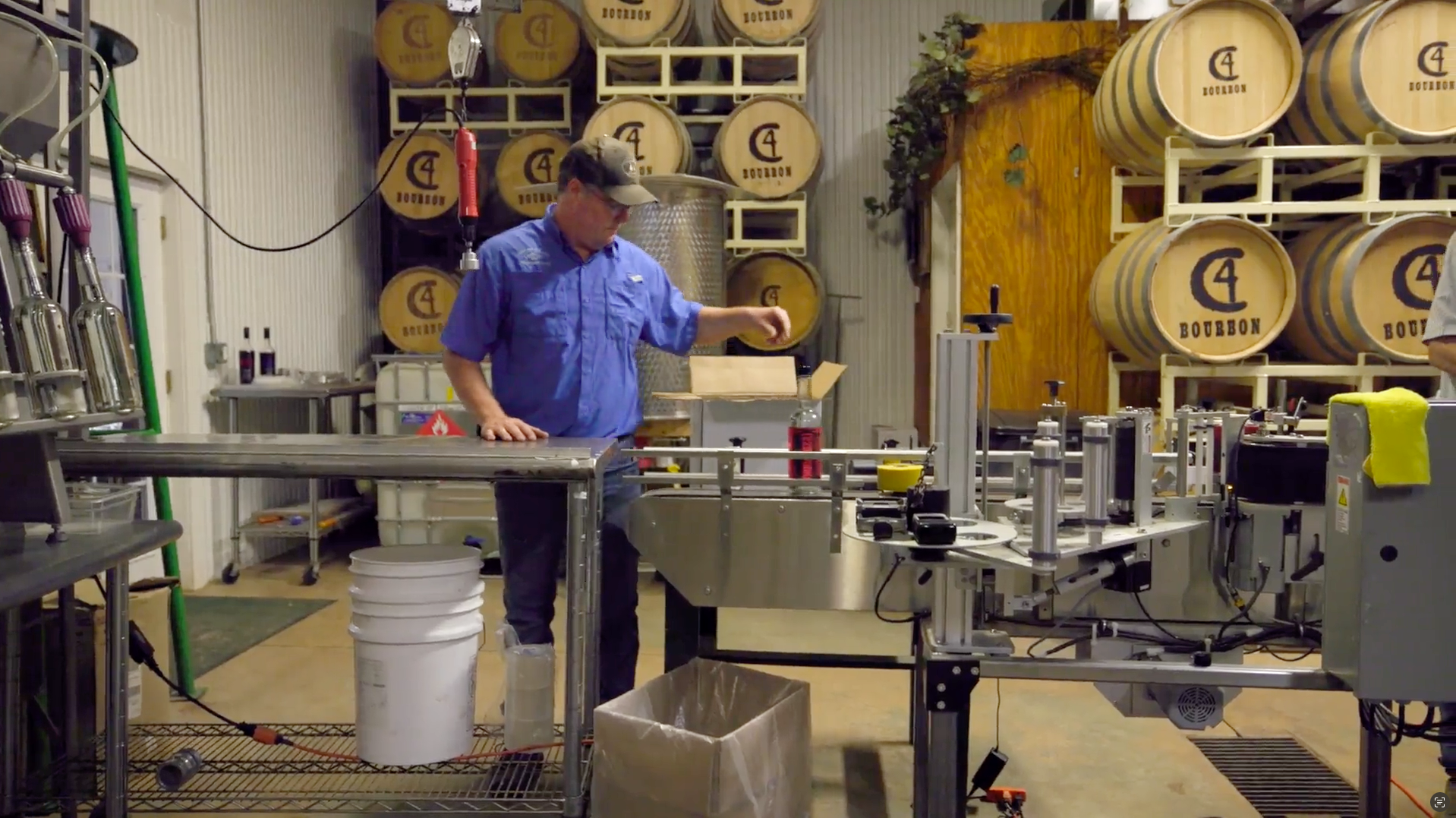
  • Producers: Breweries, wineries, and distilleries make and package the products.
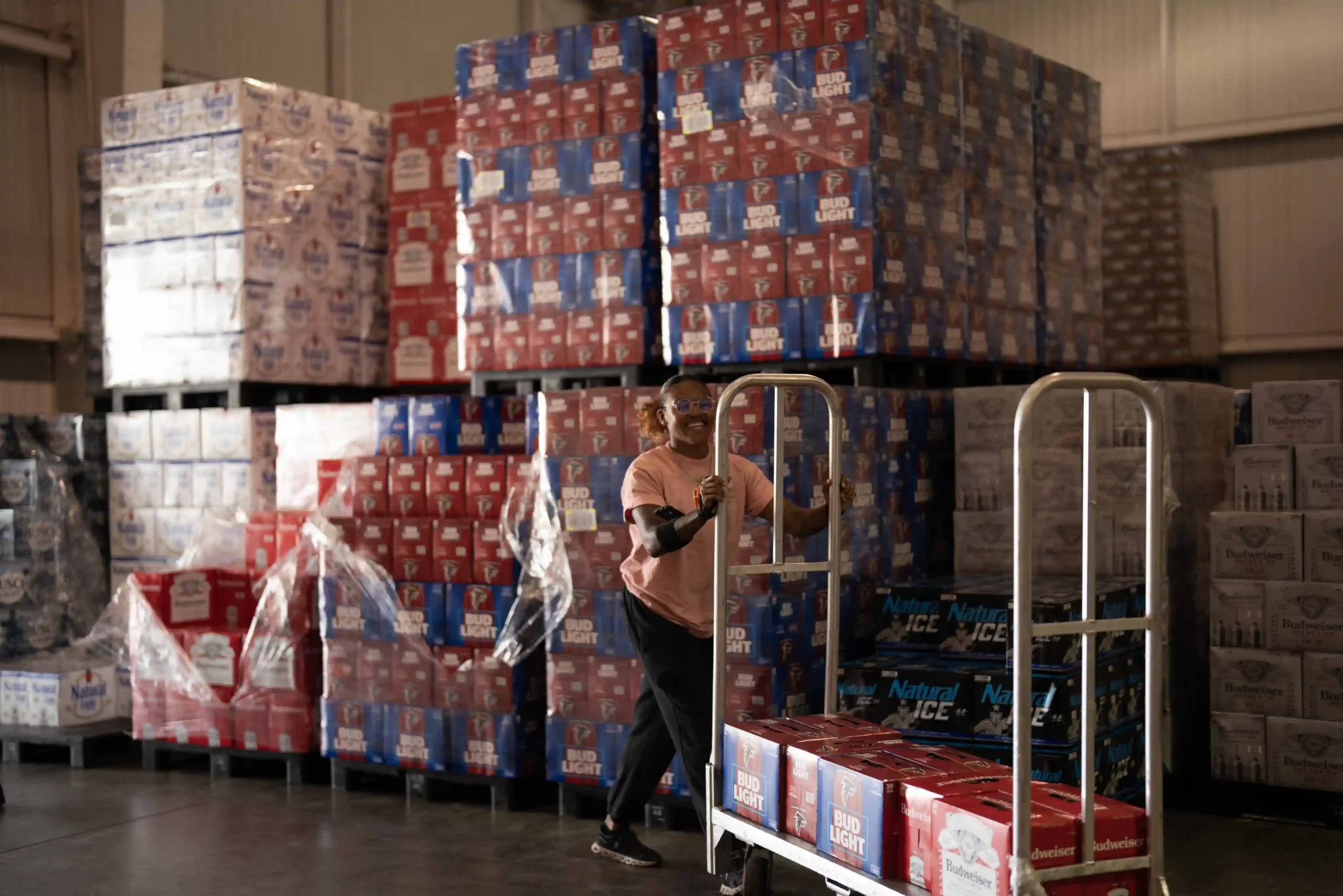
  • Distributors: Licensed local distributors transport, warehouse, and market those products to businesses in every corner of the state.
  • Retailers: Restaurants, bars, grocery stores, and package stores sell the products to consumers.

Together, the three tiers support more than 350,000 Georgia jobs and ensure a safe, accountable marketplace.

How Does the System Work in Georgia?

Georgia’s three-tier system creates a careful path for alcoholic beverages to move from producer to consumer that ensures compliance, accountability, and market access. The streamlined system allows producers to focus on what they do best: crafting great products.

Producers

Create & package products

Distributors

Store & transport products statewide

Retailers

Sell products to Georgians

Consumer

Enjoy access to variety of safe choices

Producers Make the Product

Breweries, wineries, and distilleries focus on creating and packaging their products for sale.

Distributors Connect Products to Market

Licensed local distributors manage warehousing, transportation, and delivery throughout the state.

Retailers Serve Consumers

Georgia’s restaurants, bars, grocery stores, and package stores sell products to consumers.

Consumers Enjoy More Choice

Products are delivered safely and efficiently, giving consumers access to a variety of local, national, and international brands.

These tiers create a balanced marketplace that supports producers, retailers, and consumers across Georgia.

How Has Georgia’s System Evolved?

Georgia’s alcohol regulatory system has undergone significant modernization through the decades while maintaining the proven three-tier framework that benefits all industry stakeholders.

Since 2011, the number of Georgia craft distilleries has grown from just three to 190, while craft breweries and wineries have also massively expanded their presence statewide. These changes have strengthened local manufacturing, increased tourism, and created new economic opportunities while preserving the safeguards and accountability built into our alcohol distribution system.

Frequently Asked Questions

What is Georgia’s three-tier alcohol distribution system?
Georgia’s three-tier alcohol distribution system is the framework Georgia uses to move beer, wine, and spirits from producers to consumers. Under this system, alcohol producers (breweries, wineries, and distilleries), independent distributors, and licensed retailers each operate as separate businesses. This structure promotes fair competition, regulatory oversight, and consumer choice while helping ensure alcohol is sold responsibly.
Georgia uses the three-tier system to create a balanced, transparent marketplace for alcohol sales. The system helps prevent monopolies, supports regulatory compliance, encourages competition among brands and retailers, and provides safeguards that promote public safety. It has been a successful cornerstone of alcohol regulation in Georgia for decades.
The three tiers are: Producers—Breweries, wineries, and distilleries that make alcoholic beverages. Distributors—Independent companies that transport, market, and deliver products to licensed retailers. Retailers—Restaurants, bars, grocery stores, package stores, any other business that sells alcohol to consumers. Each tier plays a distinct role in bringing products to market while maintaining accountability throughout the supply chain.
The three-tier system helps create opportunities for businesses of all sizes by providing access to established distribution networks and retail markets. Independent distributors help emerging brands reach consumers across Georgia without requiring producers to build their own statewide sales and logistics operations. This structure prevents giant international producers from monopolizing distribution, providing a level playing field for local Georgia brands.
Yes. Georgia’s craft beverage industry has grown significantly over the past decade, and distributors play an important role in helping local producers expand their reach. By connecting craft brands with retailers across the state (not just in their back yard), distributors help increase market access, improve product availability, and support long-term business growth.
Distributors are the critical link between producers and retailers. They manage warehousing, transportation, inventory, compliance, product education, and sales support. Distributors also help introduce new brands to retailers, ensure products are delivered efficiently and maintain a reliable supply chain that serves communities throughout Georgia. Because Georgia distributors are independent by law, large brands can’t monopolize distribution, giving local Georgia brands a level playing field to compete on.
The three-tier system creates multiple layers of accountability that help ensure alcohol is produced, transported, and sold according to state and federal laws. Licensed businesses at every tier are subject to oversight, recordkeeping requirements, and compliance standards that support product integrity, responsible sales practices, and consumer confidence.
By requiring alcohol to move through licensed and regulated businesses, the three-tier system strengthens enforcement and accountability. Retailers are responsible for verifying age at the point of sale, while distributors and regulators help maintain a transparent supply chain that supports compliance with Georgia’s alcohol laws. Georgia’s carefully regulated alcohol delivery framework also includes safeguards such as age verification requirements and compliance standards designed to help prevent underage individuals from obtaining alcohol through delivery services.
Yes. While most states have some form of a three-tier structure, each state has its own laws and exceptions. Some states operate as “control states,” where the government plays a direct role in alcohol distribution or retail sales. Georgia uses a private-sector three-tier model with its own set of laws, putting the power in the hands of Georgians.
Yes. Georgia has carefully modernized its alcohol laws over the years to reflect changing consumer preferences and support industry growth. Reforms have expanded opportunities for craft producers while preserving the core benefits of the three-tier system, including accountability, market access, and consumer protections.
Eliminating the three-tier system could fundamentally change how alcohol is sold and distributed. Industry experts often note that removing the separation between tiers could lead to greater market concentration, reduced opportunities for smaller brands, and fewer safeguards that promote transparency and accountability. The current system helps maintain a competitive marketplace where businesses of all sizes can participate. The alternative is monopolized distribution by huge international producers, fewer opportunities for local craft brewers, and less selection for Georgians.